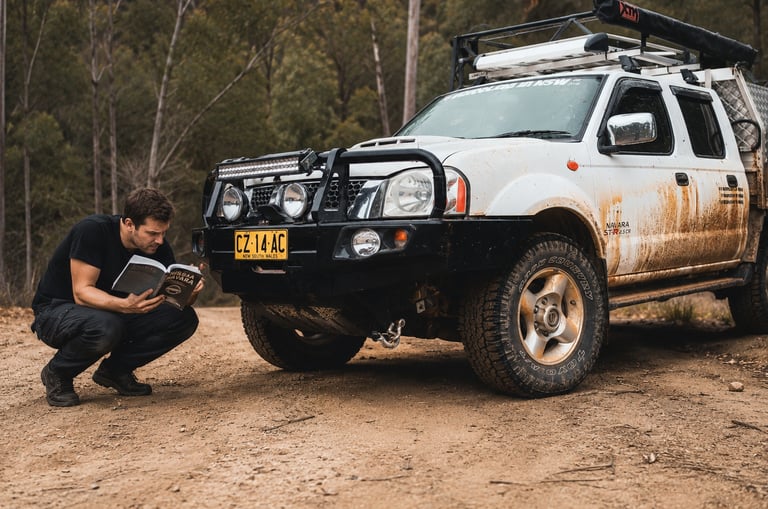
Are you just starting out with your first 4x4 ?
Have you owned a four wheel drive for a while and not used it to its full potential ?

Here you'll find some helpful information which can help you get more from your four wheel drive and camping trips and be safer whilst out there too.


Sure we all have a dream 4x4 however, due to budgets restraints and your particular circumstances you may not have the vehicle you long for.
It doesn't matter what sort of vehicle you have, just get out and use it. I’ve long had the belief of - no matter what 4×4 you own or DON’T own, just get out and enjoy the outdoor lifestyle. There is no better mental health reset than camping and relaxing in the bush.
So no matter what it is, if you have a vehicle, use it !

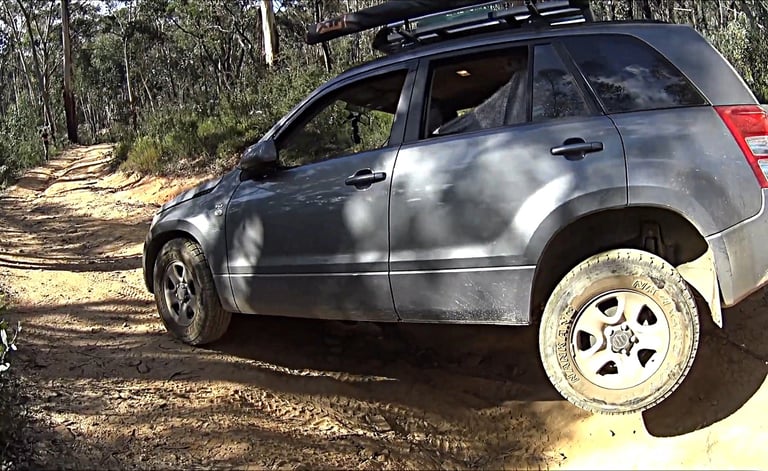
I've seen everything from basic little Suzuki Sierra's right through to mini monster trucks with huge lift kits and 37' tyres and they all have one thing in common.....getting the owners to where they want and putting a smile on their faces along the way.

​Now pointers that I've learnt and want to share ...

  • Always put safety first — take your time, assess obstacles carefully and stay calm behind
    the wheel.

  • Carry a quality first aid kit and know how to use it.

  • Wherever possible, travel with at least one other vehicle.

  • Pack essential and reliable recovery gear including rated shackles, snatch straps, gloves
    and recovery tracks.

  • Tyre pressure is one of the best and cheapest off-road modifications. Lower pressures
    improve traction in sand, mud and rocky terrain while reducing the chance of getting
    stuck and help keep tracks in good condition.

  • Don't forget then to reinflate your tyres before returning to the highway.
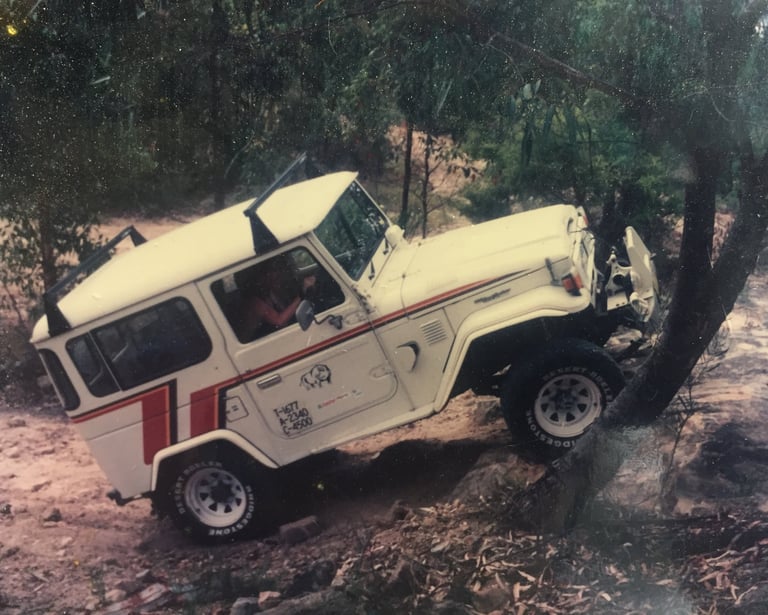
  • Learn your vehicle’s limits including ground clearance, approach / departure angles and low-range gearing.

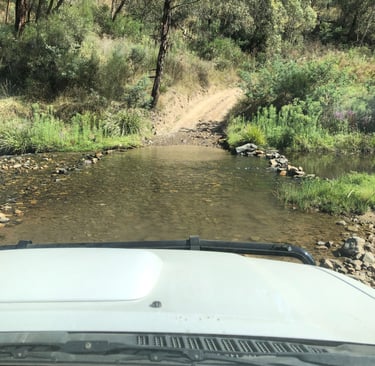
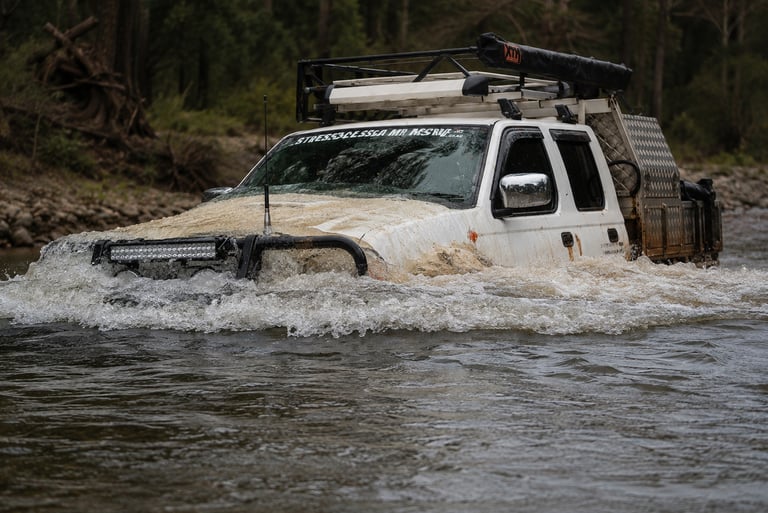
  • Be cautious around water crossings, especially without a snorkel, and allow hot driveline components to cool before entering cold water where possible. Always be cautious around water crossings and practice checking the depth and flow before entering.

  • Diff breathers and snorkels are a worthwhile upgrade for vehicles regularly tackling creek / river crossings..

  • Use low range when tackling steep, rough or technical terrain for greater control.

  • Check weather and track conditions before heading out.

  • Slow and steady usually gets you further with less damage and less risk.
    Most importantly, enjoy the adventure, travel smart, respect the bush and the tracks and make the most of the adventure.

Before even heading off-road though, it’s important to have a good general
understanding of your vehicle’s capabilities and limitations including ground
clearance, approach and departure angles, wading depth and how to properly use low-range gearing.


Taking the time to learn your vehicle and choosing the right line through obstacles can make a huge difference on the tracks and lessens the risk of damage and harm to both vehicle(s) and people.


Preparation is key when it comes to safe and enjoyable four-wheel driving.
Always check weather conditions before a trip, carry quality recovery gear and travel with at least one other vehicle where possible. Slow and steady driving is often the safest and most effective approach, especially on unfamiliar terrain.

Water crossings should always be approached with caution.

If you’re unsure of the depth or flow, walk it first — if you can’t walk it, then don’t drive it. Snorkels and diff breathers are worthwhile upgrades for vehicles regularly tackling creek crossings, especially with diesel engines as water in the intake can leave your engine with hydraulic lock - resulting in a very very expensive fix, especially with common modern CRD engines.

Don’t forget, plan your trips carefully, always let someone know where you’re going and when you should be back and most of all, enjoy the adventure. Off-roading is about exploring the outdoors safely, building confidence and making memories along the way.

driving

Beach driving
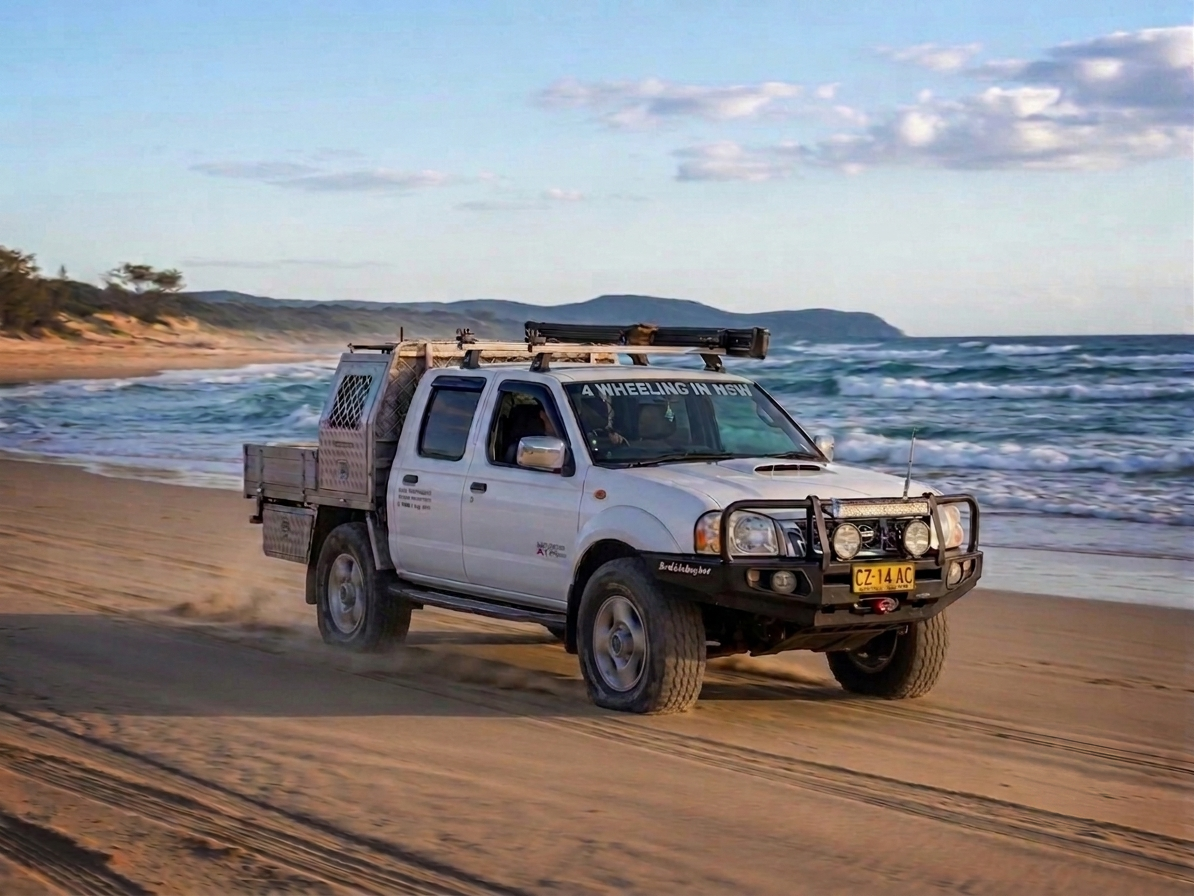
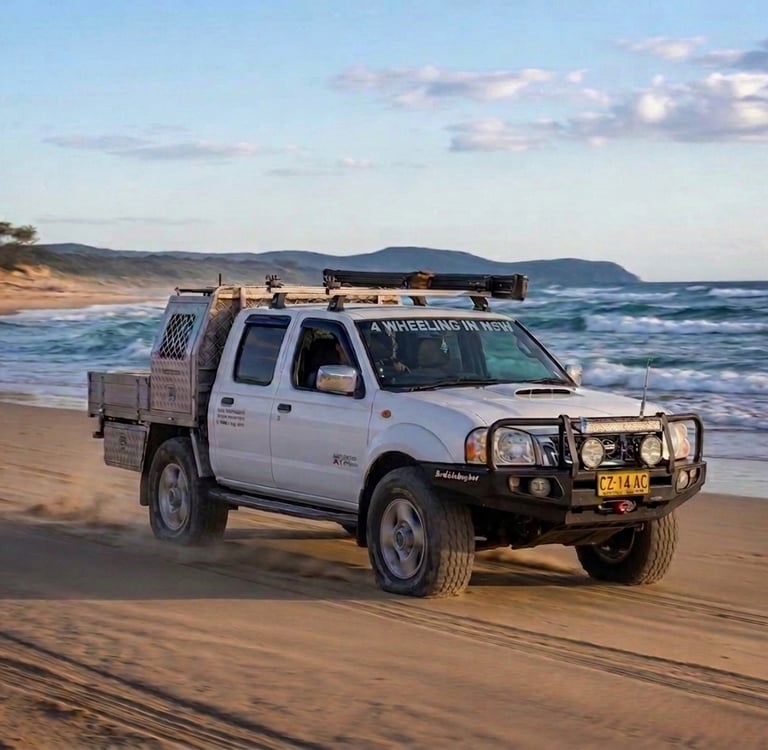
When driving on a beach, you need to lower your pressures down considerably to help spread your tread both wider and longer so as to not bog down resulting in a stuck vehicle.
The key to beach driving is to try and stay on the firmer sand sections as opposed to the soft fluffy sand further up the embankment - ie : further away from the water.

Main thing to remember too is try and avoid any fast turning in soft sand as you can roll your tyres off the bead if your pressures are very low. Traction boards are very handy to have in your kit too if you're planning some beach driving as these can save you a lot of headache. Getting tyres back on the rim can be some work, especially on a sandy beach situation.

Rock Climbing
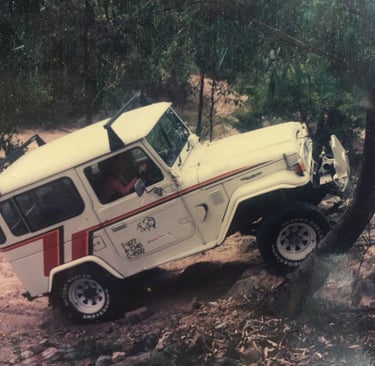
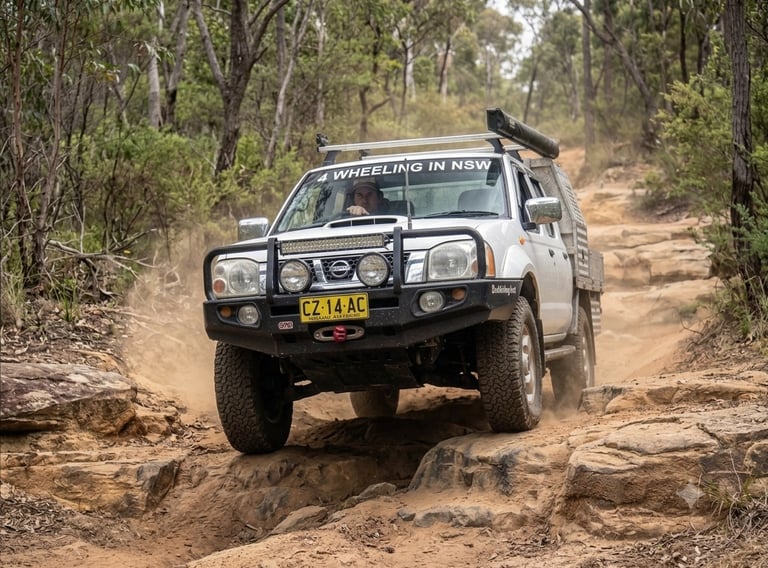
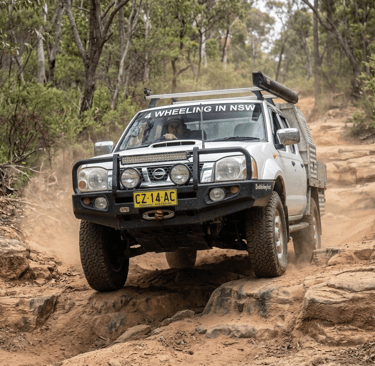
One of my favourite driving styles is slow, methodical crawling up tracks, or what is referred to often as rock climbing. There is an art to tackling a rugged, boulder-strewn incline, and it all comes down to technique rather than brute force.
When you are facing a tough rock section, the secret isn't speed—it's picking the right line and maintaining momentum.

1. Pick Your Line & Trust the Placement

Before you even commit to the obstacle, get out and look. Pick a line that keeps your diffs clear and places your tyres on the highest points of the track. If you have a passenger or a mate with you, use them as a spotter to guide your front wheels exactly where they need to be.

2. Drop the Pressure & Select LOW Range
Traction is your best friend on sandstone and loose dirt. Lower your tyre pressures to lengthen your treads footprint; this allows the rubber to bag out slightly and wrap around the edges of the rocks for maximum grip and lessens the chance of a puncture too. Once your tyres are ready, select LOW range (and engage your lockers if your vehicle has them). This gives you the low-down torque and control required to walk the vehicle up without riding the clutch or spinning the wheels.

3. Momentum Over Speed
The golden rule of rock crawling is simple: as long as you're moving forward, you're moving. You don't want high speed, which just leads to bounced tyres, lost traction, broken CVs and damaged tracks. Instead, you want steady forward momentum. Keep a smooth, consistent throttle on. Let the low gearing do the heavy lifting, and you’ll be amazed at how easily your rig can slowly crawl its way up and over most obstacles.
Drive smart, look after your gear, and enjoy the reward of conquering a tough track the right way !

OUR ADDRESS

wherever my adventure takes me

WORKING HOURS

always

MENU

scan QR to SUBSCRIBE